I don't know who wrote this but it has a lot of wisdom that I can learn from it.
Below are 20 wise marriage tips from a man that was recently
divorced. You wouldn’t normally think that a divorced man would give
good advice on being a husband, but this man has been through enough
hardship to know what is worth fighting for:
MARRIAGE ADVICE I WISH I WOULD HAVE HAD:
Obviously, I’m not a relationship expert. But there’s something about
my divorce being finalized this week that gives me perspective of
things I wish I would have done different… After losing a woman that I
loved, and a marriage of almost 16 years, here’s the advice I wish I
would have had…
1) Never stop courting. Never stop dating. NEVER EVER take
that woman for granted. When you asked her to marry you, you promised to
be that man that would OWN HER HEART and to fiercely protect it. This
is the most important and sacred treasure you will ever be entrusted
with. SHE CHOSE YOU. Never forget that, and NEVER GET LAZY in your love.
2) PROTECT YOUR OWN HEART. Just as you committed to being the
protector of her heart, you must guard your own with the same vigilance.
Love yourself fully, love the world openly, but there is a special
place in your heart where no one must enter except for your wife. Keep
that space always ready to receive her and invite her in, and refuse to
let anyone or anything else enter there.
3) FALL IN LOVE OVER and OVER and OVER again. You will constantly
change. You’re not the same people you were when you got married, and in
five years you will not be the same person you are today. Change will
come, and in that you have to re-choose each other everyday. SHE DOESN’T
HAVE TO STAY WITH YOU, and if you don’t take care of her heart, she may
give that heart to someone else or seal you out completely, and you may
never be able to get it back. Always fight to win her love just as you
did when you were courting her.
4) ALWAYS SEE THE BEST in her. Focus only on what you love. What you
focus on will expand. If you focus on what bugs you, all you will see is
reasons to be bugged. If you focus on what you love, you can’t help but
be consumed by love. Focus to the point where you can no longer see
anything but love, and you know without a doubt that you are the
luckiest man on earth to be have this woman as your wife.
5) IT’S NOT YOUR JOB TO CHANGE OR FIX HER… your job is to love her as
she is with no expectation of her ever changing. And if she changes,
love what she becomes, whether it’s what you wanted or not.
6) TAKE FULL ACCOUNTABILITY for your own emotions: It’s not your
wife’s job to make you happy, and she CAN’T make you sad. You are
responsible for finding your own happiness, and through that your joy
will spill over into your relationship and your love.
7) NEVER BLAME your wife If YOU get frustrated or angry at her, it is
only because it is triggering something inside of YOU. They are YOUR
emotions, and your responsibility. When you feel those feelings take
time to get present and to look within and understand what it is inside
of YOU that is asking to be healed. You were attracted to this woman
because she was the person best suited to trigger all of your childhood
wounds in the most painful way so that you could heal them… when you
heal yourself, you will no longer be triggered by her, and you will
wonder why you ever were.
Allow your woman to JUST BE. When she’s sad or upset, it’s not your
job to fix it, it’s your job to HOLD HER and let her know it’s ok. Let
her know that you hear her, and that she’s important and that you are
that pillar on which she can always lean. The feminine spirit is about
change and emotion and like a storm her emotions will roll in and out,
and as you remain strong and unjudging she will trust you and open her
soul to you… DON’T RUN-AWAY WHEN SHE’S UPSET. Stand present and strong
and let her know you aren’t going anywhere. Listen to what she is really
saying behind the words and emotion.
9) BE SILLY… don’t take yourself so damn seriously. Laugh. And make her laugh. Laughter makes everything else easier.
10) FILL HER SOUL EVERYDAY… learn her love languages and the specific
ways that she feels important and validated and CHERISHED. Ask her to
create a list of 10 THINGS that make her feel loved and memorize those
things and make it a priority everyday to make her feel like a queen.
11) BE PRESENT. Give her not only your time, but your focus, your
attention and your soul. Do whatever it takes to clear your head so that
when you are with her you are fully WITH HER. Treat her as you would
your most valuable client. She is.
12) BE WILLING TO TAKE HER SEXUALLY, to carry her away in the power
of your masculine presence, to consume her and devour her with your
strength, and to penetrate her to the deepest levels of her soul. Let
her melt into her feminine softness as she knows she can trust you
fully.
13) DON’T BE AN IDIOT…. And don’t be afraid of being one either. You
will make mistakes and so will she. Try not to make too big of mistakes,
and learn from the ones you do make. You’re not supposed to be perfect,
just try to not be too stupid.
14) GIVE HER SPACE… The woman is so good at giving and giving, and
sometimes she will need to be reminded to take time to nurture herself.
Sometimes she will need to fly from your branches to go and find what
feeds her soul, and if you give her that space she will come back with
new songs to sing…. (okay, getting a little too poetic here, but you get
the point. Tell her to take time for herself, ESPECIALLY after you have
kids. She needs that space to renew and get re-centered, and to find
herself after she gets lost in serving you, the kids and the world.)
15) BE VULNERABLE… you don’t have to have it all together. Be
willing to share your fears and feelings, and quick to acknowledge your
mistakes.
16) BE FULLY TRANSPARENT. If you want to have trust you must be
willing to share EVERYTHING… Especially those things you don’t want to
share. It takes courage to fully love, to fully open your heart and let
her in when you don’t know i she will like what she finds… Part of that
courage is allowing her to love you completely, your darkness as well as
your light. DROP THE MASK… If you feel like you need to wear a mask
around her, and show up perfect all the time, you will never experience
the full dimension of what love can be.
17) NEVER STOP GROWING TOGETHER… The stagnant pond breeds malaria,
the flowing stream is always fresh and cool. Atrophy is the natural
process when you stop working a muscle, just as it is if you stop
working on your relationship. Find common goals, dreams and visions to
work towards.
18) DON’T WORRY ABOUT MONEY. Money is a game, find ways to work
together as a team to win it. It never helps when teammates fight.
Figure out ways to leverage both persons strength to win.
19) FORGIVE IMMEDIATELY and focus on the future rather than carrying
weight from the past. Don’t let your history hold you hostage. Holding
onto past mistakes that either you or she makes, is like a heavy anchor
to your marriage and will hold you back. FORGIVENESS IS FREEDOM. Cut the
anchor loose and always choose love.
20) ALWAYS CHOOSE LOVE. ALWAYS CHOOSE LOVE. ALWAYS CHOOSE LOVE. In
the end, this is the only advice you need. If this is the guiding
principle through which all your choices is governed, there is nothing
that will threaten the happiness of your marriage. Love will always
endure.
In the end MARRIAGE isn’t about Happily ever after. It’s about work.
And a commitment to grow together and a willingness to continually
invest in creating something that can endure eternity. Through that
work, the happiness will come.
Marriage is life, and it will bring ups and downs. Embracing all of
the cycles and learning to learn from and love each experience will
bring the strength and perspective to keep building, one brick at a
time.
These are lessons I learned the hard way. These are lessons I learned too late.
But these are lessons I am learning and committed in carrying
forward. Truth is, I LOVED being married, and in time, I will get
married again, and when I do, I will build it with a foundation that
will endure any storm and any amount of time.
If you are reading this and find wisdom in my pain, share it those
those young husbands whose hearts are still full of hope, and with those
couples you may know who may have forgotten how to love. One of those
men may be like I was, and in these hard earned lessons perhaps
something will awaken in him and he will learn to be the man his lady
has been waiting for.
The woman that told him ‘I do’, and trusted her life with him, has been waiting for this man to step up.
If you are reading this and your marriage isn’t what you want it to
be, take 100% responsibility for YOUR PART in marriage, regardless of
where your spouse is at, and commit to applying these lessons while
there is time.
MEN- THIS IS YOUR CHARGE : Commit to being an EPIC LOVER. There is no
greater challenge, and no greater prize. Your woman deserves that from
you.
Be the type of husband your wife can’t help but brag about.
Saturday, December 14, 2013

Friday, December 6, 2013
Spiritual Quotes Of Nelson Mandela, Champion Of The Human Spirit
Nelson Mandela has died, but the power of his spirit will endure forever.
Mandela was a key leader in the liberation of South Africa, and his struggle included 27 years in prison. Eventually elected President, the peaceful yet powerful way that Nelson Mandela freed South Africa from apartheid continues to inspire those who fight for freedom everywhere.
Mr. Mandela embodied the power of the human spirit, and was living proof that the world can be transformed. The entire world owes Nelson Mandela a great debt that can be redeemed as we continue his work of peace, justice, and liberation.
-
 Media24/Gallo Images via Getty Images / Goodreads
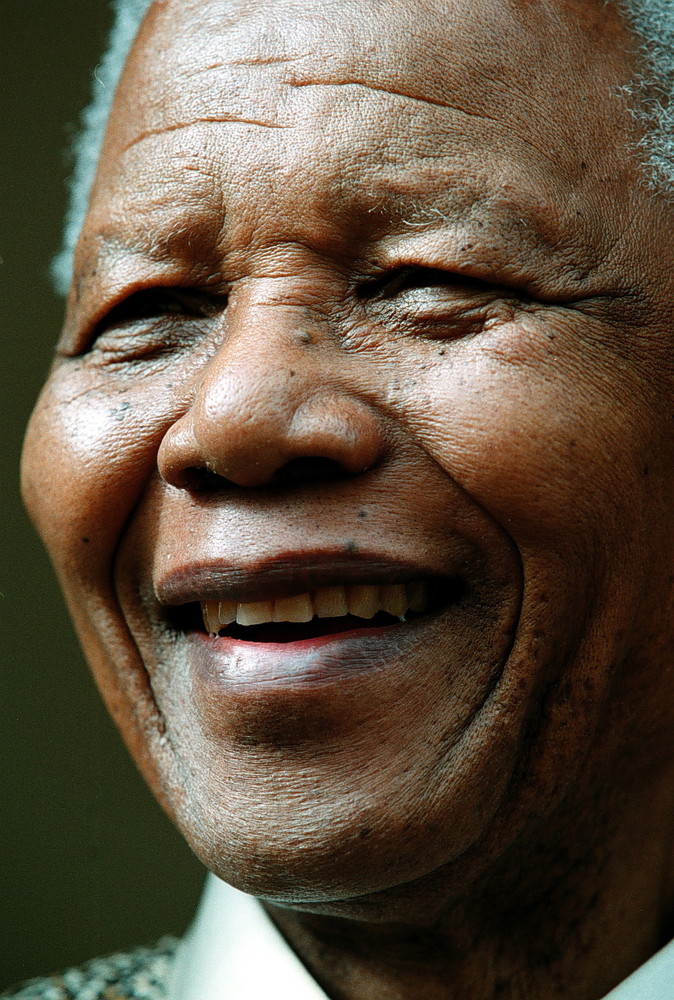
"What counts in life is not the mere fact that we have lived. It is what difference we have made to the lives of others that will determine the significance of the life we lead." — Nelson Mandela
-
 AP / File / Goodreads
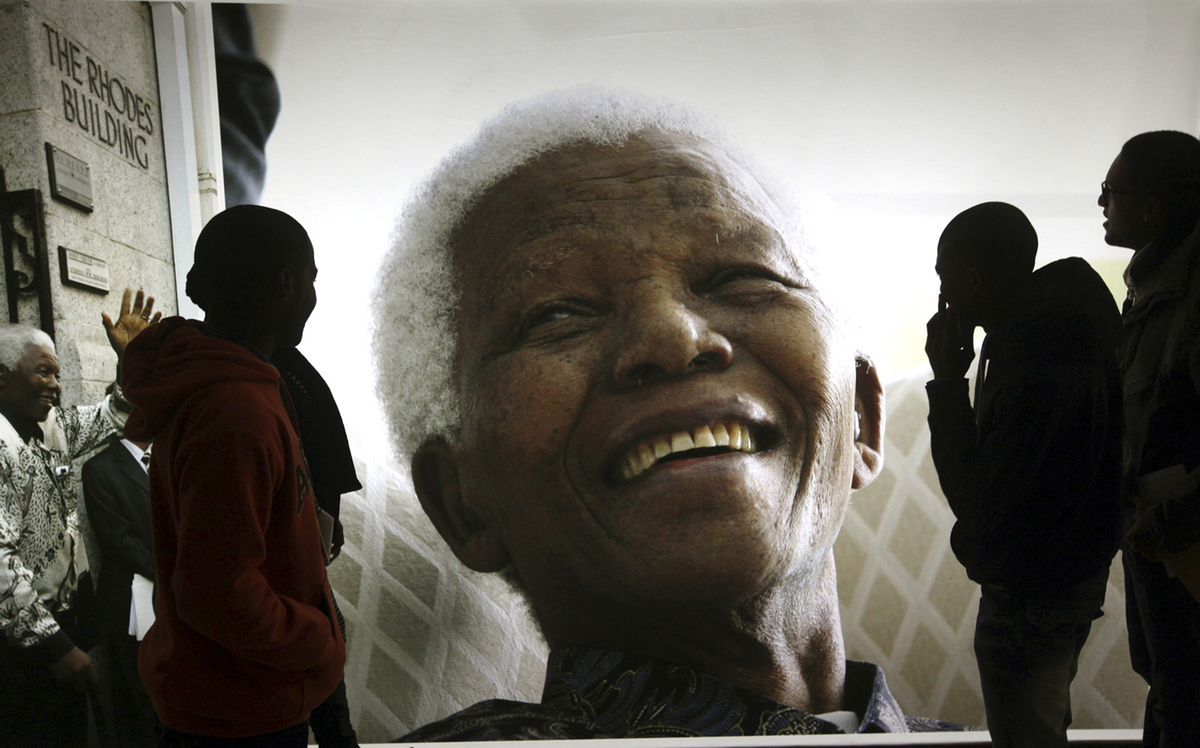
"No one is born hating another person because of the color of his skin, or his background, or his religion. People must learn to hate, and if they can learn to hate, they can be taught to love, for love comes more naturally to the human heart than its opposite." — Nelson Mandela (Long Walk to Freedom)
-
 Chris Jackson via Getty Images / Goodreads
"I am not a saint, unless you think of a saint as a sinner who keeps on trying." — Nelson Mandela
-
 Media24/Gallo Images via Getty Images / Goodreads
"I am not an optimist, but a great believer of hope." — Nelson Mandela
-
 The Sydney Morning Herald via Getty Images
"Religion is one of the most important forces in the world. Whether you are a Christian, a Muslim, a Buddhist, a Jew, or a Hindu, religion is a great force, and it can help one have command of one's own morality, one's own behavior, and one's own attitude." -Nelson Mandela
-
 Patti Gower via Getty Images / Goodreads
"I am the captain of my soul." — Nelson Mandela
-
 (AP Photo/Schalk van Zuydam, File) /Goodreads
"There were many dark moments when my faith in humanity was sorely tested, but I would not and could not give myself up to despair. That way lays defeat and death." — Nelson Mandela (Long Walk to Freedom: Autobiography of Nelson Mandela)
-
 TREVOR SAMSON via Getty Images / Goodreads
"There can be no keener revelation of a society's soul than the way in which it treats its children." — Nelson Mandela
-
 API via Getty Images
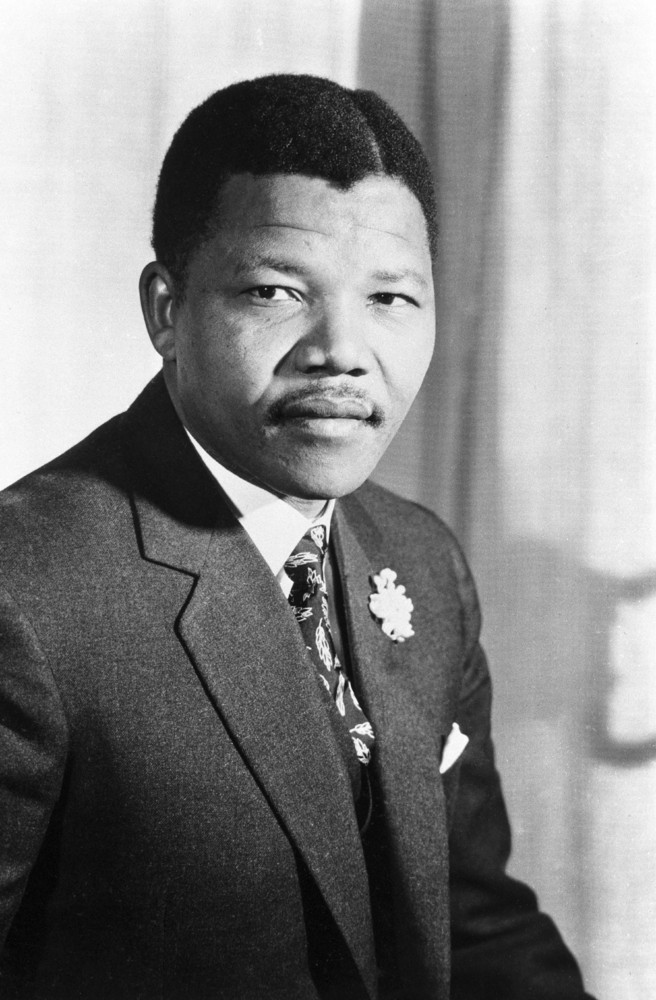
"One of the most difficult things is not to change society - but to change yourself." -Nelson Mandela
-
 DON EMMERT via Getty Images / Goodreads
"Man's goodness is a flame that can be hidden but never extinguished" - Nelson Mandela
The Most Important Question You Can Ask Yourself Today
The Most Important Question You Can Ask Yourself Today
by Mark Manson
Everybody wants what feels good. Everyone wants to live a care-free,
happy and easy life, to fall in love and have amazing sex and
relationships, to look perfect and make money and be popular and
well-respected and admired and a total baller to the point that people
part like the Red Sea when you walk into the room.
Everybody wants that -- it's easy to want that.If I ask you, "What do you want out of life?" and you say something like, "I want to be happy and have a great family and a job I like," it's so ubiquitous that it doesn't even mean anything.
Everyone wants that. So what's the point?
What's more interesting to me is what pain do you want? What are you willing to struggle for? Because that seems to be a greater determinant of how our lives end up.
Everybody wants to have an amazing job and financial independence -- but not everyone is willing to suffer through 60-hour work weeks, long commutes, obnoxious paperwork, to navigate arbitrary corporate hierarchies and the blasé confines of an infinite cubicle hell. People want to be rich without the risk, with the delayed gratification necessary to accumulate wealth.
Everybody wants to have great sex and an awesome relationship -- but not everyone is willing to go through the tough communication, the awkward silences, the hurt feelings and the emotional psychodrama to get there. And so they settle. They settle and wonder "What if?" for years and years and until the question morphs from "What if?" into "What for?" And when the lawyers go home and the alimony check is in the mail they say, "What was it all for?" If not for their lowered standards and expectations for themselves 20 years prior, then what for?
Because happiness requires struggle. You can only avoid pain for so long before it comes roaring back to life.
At the core of all human behavior, the good feelings we all want are more or less the same. Therefore what we get out of life is not determined by the good feelings we desire but by what bad feelings we're willing to sustain.
"Nothing good in life comes easy," we've been told that a hundred times before. The good things in life we accomplish are defined by where we enjoy the suffering, where we enjoy the struggle.
People want an amazing physique. But you don't end up with one unless you legitimately love the pain and physical stress that comes with living inside a gym for hour upon hour, unless you love calculating and calibrating the food you eat, planning your life out in tiny plate-sized portions.
People want to start their own business or become financially independent. But you don't end up a successful entrepreneur unless you find a way to love the risk, the uncertainty, the repeated failures, and working insane hours on something you have no idea whether will be successful or not. Some people are wired for that sort of pain, and those are the ones who succeed.
People want a boyfriend or girlfriend. But you don't end up attracting amazing people without loving the emotional turbulence that comes with weathering rejections, building the sexual tension that never gets released, and staring blankly at a phone that never rings. It's part of the game of love. You can't win if you don't play.
What determines your success is "What pain do you want to sustain?"
I wrote in an article last week that I've always loved the idea of being a surfer, yet I've never made consistent effort to surf regularly. Truth is: I don't enjoy the pain that comes with paddling until my arms go numb and having water shot up my nose repeatedly. It's not for me. The cost outweighs the benefit. And that's fine.
On the other hand, I am willing to live out of a suitcase for months on end, to stammer around in a foreign language for hours with people who speak no English to try and buy a cell phone, to get lost in new cities over and over and over again. Because that's the sort of pain and stress I enjoy sustaining. That's where my passion lies, not just in the pleasures, but in the stress and pain.
There's a lot of self development advice out there that says, "You've just got to want it enough!"
That's only partly true. Everybody wants something. And everybody wants something badly enough. They just aren't being honest with themselves about what they actually want that bad.
If you want the benefits of something in life, you have to also want the costs. If you want the six pack, you have to want the sweat, the soreness, the early mornings, and the hunger pangs. If you want the yacht, you have to also want the late nights, the risky business moves, and the possibility of pissing off a person or ten.
If you find yourself wanting something month after month, year after year, yet nothing happens and you never come any closer to it, then maybe what you actually want is a fantasy, an idealization, an image and a false promise. Maybe you don't actually want it at all.
So I ask you, "How are you willing to suffer?"
Because you have to choose something. You can't have a pain-free life. It can't all be roses and unicorns.
Choose how you are willing to suffer.
Because that's the hard question that matters. Pleasure is an easy question. And pretty much all of us have the same answer.
The more interesting question is the pain. What is the pain that you want to sustain?
Because that answer will actually get you somewhere. It's the question that can change your life. It's what makes me me and you you. It's what defines us and separates us and ultimately brings us together.
So what's it going to be?
Mark Manson is an entrepreneur, author and world traveler.
Friday, November 22, 2013
Insurance sold on marketplaces may limit access to doctors, hospitals.
New from American Medical Association
Insurance sold on marketplaces may limit access to doctors, hospitals.
In a front-page story titled “Insurers Restricting Choice Of Doctors And Hospitals To Keep Costs Down,” the
Washington Post (11/21, A1, Somashekhar, Cha, 4.28M) reports that
“Americans...are discovering that insurers” selling plans on the
Affordable Care Act’s marketplaces, “are restricting their choice of
doctors and hospitals in order to keep costs low, and
that many of the plans exclude top-rated hospitals.” According to the
Post, there is now “a two-tier system” as “many of the people who buy
health plans on the exchanges have fewer hospitals and doctors to choose
from than those with coverage through their
employers.” The Post says this situation has been exacerbated by some
“providers” that “have balked at being in exchange networks because they
are unhappy with the reimbursement rates or are concerned that the
exchanges could be dominated by sick people who
won’t be able to pay their portion of the bills.”
As the
AP (11/21, Alonso-Zaldivar, Ramer) notes, President Obama “promised
people could keep their doctors,” which could make this “the next health
overhaul issue.” American Medical Association president Dr. Ardis Dee
Hoven is quoted as saying, “Although it may
be too early to reach any definitive conclusions, we are monitoring the
adequacy of the exchange networks and will be analyzing the impact of
these restrictive strategies on patient access to care.”
Moreover, the
Washington Examiner (11/21, Pollock, 319K) reports that consumers
visiting healthcare.gov are not able “to learn whether their doctors
participate in an Obamacare-approved health care plan because the
website doesn’t include such information.” Jessica Waltman,
senior vice president of government affairs for the National
Association of Health Underwriters, explained to the Examiner: “Under
the exchanges, the government did not require health plans to submit
detailed network information. That’s why the networks aren’t
listed on healthcare.gov. When you go to look in at the plan choices,
you can’t see the provider networks.”
Many “top” NYC hospitals will not accept most exchange plans. The
AP (11/21, Caruso) reports that some of the “top hospitals” in New
York City are not accepting insurance plans sold through health
insurance exchanges. Nationwide, in order to reduce costs, many plans
offer limited provider networks. Another reason for
the New York plan refusals comes from “hospitals being cautious about
agreeing to take new, untested insurance products.” Although the number
of accepted plans differs, Memorial Sloan-Kettering Cancer Center, NYU
Langone Medical Center, and New York-Presbyterian
Hospital will accept at most a minimum of available plans.
The
Wall Street Journal (11/21, Dawsey, Subscription Publication, 5.91M)
reports that other hospitals in New York City are working to sign up
people for coverage in order to avoid what the ACA calls
“disproportionate-share hospital payments.” These payments
are given to hospitals that provide a large share of unreimbursed care.
Tuesday, November 19, 2013
Negative gearing: time to rethink your approach
In a rising property market, negative gearing can be a good strategy to build wealth - but watch out when values fall.
There are plenty of reasons why Australians love to borrow money to invest in bricks and mortar.
Some people think the value of property never goes down; others like the fact you can see and touch it.
But, mostly, it is the ability to offset the cost of owning the property - including the interest paid on a loan - against assessable income that makes it particularly attractive.
This strategy, known as negative gearing, is often considered more a tax strategy than an investment one.
Since the aim of most investment strategies is to make a profit, investors with negatively geared property either hope that one day the rent covers the loan costs or the capital growth in the property is such that they make a profit when it comes time to sell.
As soon as the rent covers the cost of borrowing, it becomes a positively geared property and the income might be subject to tax. Many, however, would say it is better to pay tax on a profit than make a loss.
For most of the 30-or-so years negative gearing has been around, it has been a reasonable strategy based on the capital growth rates of property across the country, says the founder of Smart Property Adviser, Kevin Lee.
However, at a time of global economic uncertainty, betting on capital gains from property is a risky and outdated strategy for most people, he says.
Lee would rather see people save more for a deposit on a property that can then be rented for more than the weekly outlay. If it generates a capital gain, then that is a bonus.
''If you are investing for income, and the income is paying for the property, then you are a savvy investor,'' he says. ''But there are no guarantees for capital growth.''
An accountant and the founder of Mr Taxman, Adrian Raftery, also warns against anyone investing in property simply for a tax deduction.
''The only upside is that you are reliant on the property increasing in capital growth by an amount greater than your outlay - but remember to factor in capital gains tax and what you could have received if you simply had your money in the bank on term deposit,'' he says.
''If a property market is stagnant - like we are experiencing in Australia - then you will be falling behind. If the property market falls like it has around the world, then you are in a dire situation.''
The chief executive of Resi Mortgage Corporation, Lisa Montgomery, agrees too much emphasis is on the tax advantages of negatively geared real estate and not enough is on creating real equity in the property.
Ideally, the property investment strategy of borrowers should focus on creating equity by accelerating payments to reduce their loan.
That equity can then be used to buy additional properties - for which the rent covers the costs of holding the property - if that is part of the financial plan.
The right way
Negative gearing property has supporters and opponents. The tax benefits are an incentive for people to borrow to buy property with a view to making themselves more financially independent in retirement.
For someone with little in the way of a deposit, the tax deductions make it possible to borrow most of the cost of a property, then rent it to pay most of the interest and other costs (see the case study, above right).
But the strategy's success or failure ultimately comes down to the property and the rent it brings in. A mortgage broker with Loan Market and a property investment consultant with NPA Property Group, Adam Zahra, says negative gearing is beneficial only when the total return on the investment - the capital growth and the yield - is greater than the total cost.
''It is pointless to purchase an investment for tax savings if it doesn't provide you with a return,'' he says.
Yet this is exactly what thousands of investors are doing, Lee says.
''Lots of people have done well out of capital growth but lots of other people have not,'' he says. ''In most cases, negative gearing a property is supporting the lifestyle of the tenants.
''If the rent paid by a tenant is not enough to support the cost of owning the property, then people are doing it in the hope that capital gains will come as a right.''
A neutral or positively geared property means the tenant is paying the true cost of living in that property.
Zahra says good research makes it possible to buy property that can be reasonably expected to increase in value and bring in sufficient rent, coupled with depreciation, to almost cover costs.
Depending on the deposit paid and whether there are sufficient capital works allowances and fixtures and fittings in the property that can be depreciated, it is possible to go from having a net rental loss to being cash-flow positive.
Zahra says the best position is to be negatively geared but cash-flow positive. The way to do this is to take full advantage of the tax-deductible depreciation allowances laid out by the Tax Office.
The newer a property, the greater the depreciation levels. Construction costs can be depreciated at 2.5 per cent over 40 years.
The rate of depreciation varies for fixtures and fittings.
The tax deduction from depreciation, known as a non-cash loss, and the difference between the income and expenses (the cash loss) can result in a positive cash flow from the ATO.
It is important to obtain a depreciation schedule prepared by a quantity surveyor to maximise relevant tax deductions. Zahra says the cost of holding an investment property can be very tax-effective, especially for high-income earners. It is possible to get the tax back on a regular basis rather than the end of the year by using a tax-variation authority (formerly known as a 221D). This can significantly reduce the cost of holding the investment property.
Lisa Montgomery of Resi says that even with the tax advantages of negative gearing, it won't suit all investors.
''There is always some risk associated with borrowing to fund an investment,'' she says. ''If you overextend your borrowing, rising interest rates could restrict your ability to meet the loan payments.''
Montgomery says investors should minimise the risk of gearing by choosing an investment property that is likely to increase in value throughout the investment period.
''Your pre-buying research is the key to choosing the property wisely in the first place,'' she says. ''You should also have sufficient income to cover your costs if your tenants are late with their rent, or if your property remains vacant for any period of time. You also need to be able to fund ongoing repairs and maintenance.
''As a general rule, only investors with the financial capacity to absorb the effect of potential falls in property values, as well as an increase in interest payments, should consider negative gearing.''
How it works
There are two types of costs associated with owning an investment property.Cash costs include interest payments, bank fees, maintenance costs, insurance premiums and property management fees.
The other type is depreciation, which is a non-cash cost. If you add the amount of cash and non-cash costs and they exceed the rental income, then there is a net rental loss which may be able to be claimed against your other taxable income, such as your salary.
A typical example might result in $27,000 in cash costs and $20,000 in rental income. This would mean that the tax benefit based on the $7000 net rental loss would be as below.
We can also see that if the property was new and had approximately $8000 in depreciation (typical value) then this can alter the cash flow, as below.
What the table shows is that negative gearing is more beneficial to people in the higher income brackets who pay tax at the top marginal rate.
In the above example, the taxpayer on the highest tax bracket gets a tax refund of $3255 and would be out of pocket $3745. But if they were in the lowest tax bracket they would only get $1155 back and be out of pocket by $5845.
If depreciation is accounted for, then the cash outlay for a person in the highest tax bracket could be $25 a year. For a person paying 16.5 per cent tax, the cash outlay would be $4525 a year.
The ATO publishes a rental property guide, which includes how to treat rental income and expenses, including how to treat more than 230 residential property items. It also provides a guide to what can be depreciated at what rate.
Investment makes sense
WITH a high taxable income and a home almost paid off, it made sense for Victorian-based insurance agent Aaron Donaldson and his wife Sarah Pike to negatively gear an investment property.With the help of NPA Property Group and having done their research they settled on taking out an investment loan to buy land and build a four-bedroom house in Toowoomba, Queensland, which they would rent out.
Aaron maximised his negative gearing by borrowing the entire purchase price and transaction costs. ''It made more sense to leave any deposit in our offset account and use this to reduce our interest on loans which we couldn't claim the negative gearing benefit on,'' Aaron says. ''Being a new property, we saved on the stamp duty and the depreciation value is much higher than an existing property.''
They had the added bonus of being able to do a tax variation and claim a tax deduction from the ATO immediately, without waiting until they filed their end-of-year tax return.
The property cost $370,000 all up for the land and construction and it was recently valued at $420,000. The tenants moved in on December 2 and are paying $380 a week rent.
''With the right advice we got some capital growth before we even started renting it and the tax deduction we got up front will almost cover the gap between the rent and the mortgage payments,'' Aaron says.
The couple can now use the costs of the property, including loan interest, depreciation, repairs and maintenance, to offset their taxable incomes.
Tax treatment of negative gearing
Interest on an investment loan for an income-producing purpose is fully deductible. Any shortfall is offset in an individual's taxable income, which includes the rent they receive from the property as well as any salary.Ongoing repairs and maintenance and small expenses are fully deductible.
Property fixtures and fittings are treated as plant and a deduction for depreciation is allowed, based on effective life.
Capital works (buildings or major additions constructed after 1987 or certain other dates) receive a 2.5 per cent-a-year capital works deduction (or 4 per cent in certain circumstances). The percentage is on the initial cost (or an estimate) until exhausted. The investor's cost base for capital gains tax purposes is reduced by the amount claimed.
On sale, capital gains tax is payable on the proceeds, less some costs. A net capital gain is taxed as income but if the asset was held for one year or more, the gain is first discounted by 50 per cent for an individual.
Monday, November 4, 2013
Marriage Isn’t For You
This is a great blog written by Seth Adam Smith.
I thought to share his story.

Having been married only a year and a half, I’ve recently come to the conclusion that marriage isn’t for me.
Now before you start making assumptions, keep reading.
I met my wife in high school when we were 15 years old. We were friends for ten years until…until we decided no longer wanted to be just friends. :) I strongly recommend that best friends fall in love. Good times will be had by all.
Nevertheless, falling in love with my best friend did not prevent me from having certain fears and anxieties about getting married. The nearer Kim and I approached the decision to marry, the more I was filled with a paralyzing fear. Was I ready? Was I making the right choice? Was Kim the right person to marry? Would she make me happy?
Then, one fateful night, I shared these thoughts and concerns with my dad.
Perhaps each of us have moments in our lives when it feels like time slows down or the air becomes still and everything around us seems to draw in, marking that moment as one we will never forget.
My dad giving his response to my concerns was such a moment for me. With a knowing smile he said, “Seth, you’re being totally selfish. So I’m going to make this really simple: marriage isn’t for you. You don’t marry to make yourself happy, you marry to make someone else happy. More than that, your marriage isn’t for yourself, you’re marrying for a family. Not just for the in-laws and all of that nonsense, but for your future children. Who do you want to help you raise them? Who do you want to influence them? Marriage isn’t for you. It’s not about you. Marriage is about the person you married.”
It was in that very moment that I knew that Kim was the right person to marry. I realized that I wanted to make her happy; to see her smile every day, to make her laugh every day. I wanted to be a part of her family, and my family wanted her to be a part of ours. And thinking back on all the times I had seen her play with my nieces, I knew that she was the one with whom I wanted to build our own family.
My father’s advice was both shocking and revelatory. It went against the grain of today’s “Walmart philosophy”, which is if it doesn’t make you happy, you can take it back and get a new one.
No, a true marriage (and true love) is never about you. It’s about the person you love—their wants, their needs, their hopes, and their dreams. Selfishness demands, “What’s in it for me?”, while Love asks, “What can I give?”
Some time ago, my wife showed me what it means to love selflessly. For many months, my heart had been hardening with a mixture of fear and resentment. Then, after the pressure had built up to where neither of us could stand it, emotions erupted. I was callous. I was selfish.
But instead of matching my selfishness, Kim did something beyond wonderful—she showed an outpouring of love. Laying aside all of the pain and aguish I had caused her, she lovingly took me in her arms and soothed my soul.
I realized that I had forgotten my dad’s advice. While Kim’s side of the marriage had been to love me, my side of the marriage had become all about me. This awful realization brought me to tears, and I promised my wife that I would try to be better.
To all who are reading this article—married, almost married, single, or even the sworn bachelor or bachelorette—I want you to know that marriage isn’t for you. No true relationship of love is for you. Love is about the person you love.
And, paradoxically, the more you truly love that person, the more love you receive. And not just from your significant other, but from their friends and their family and thousands of others you never would have met had your love remained self-centered.
Truly, love and marriage isn’t for you. It’s for others.
I thought to share his story.
Having been married only a year and a half, I’ve recently come to the conclusion that marriage isn’t for me.
Now before you start making assumptions, keep reading.
I met my wife in high school when we were 15 years old. We were friends for ten years until…until we decided no longer wanted to be just friends. :) I strongly recommend that best friends fall in love. Good times will be had by all.
Nevertheless, falling in love with my best friend did not prevent me from having certain fears and anxieties about getting married. The nearer Kim and I approached the decision to marry, the more I was filled with a paralyzing fear. Was I ready? Was I making the right choice? Was Kim the right person to marry? Would she make me happy?
Then, one fateful night, I shared these thoughts and concerns with my dad.
Perhaps each of us have moments in our lives when it feels like time slows down or the air becomes still and everything around us seems to draw in, marking that moment as one we will never forget.
My dad giving his response to my concerns was such a moment for me. With a knowing smile he said, “Seth, you’re being totally selfish. So I’m going to make this really simple: marriage isn’t for you. You don’t marry to make yourself happy, you marry to make someone else happy. More than that, your marriage isn’t for yourself, you’re marrying for a family. Not just for the in-laws and all of that nonsense, but for your future children. Who do you want to help you raise them? Who do you want to influence them? Marriage isn’t for you. It’s not about you. Marriage is about the person you married.”
It was in that very moment that I knew that Kim was the right person to marry. I realized that I wanted to make her happy; to see her smile every day, to make her laugh every day. I wanted to be a part of her family, and my family wanted her to be a part of ours. And thinking back on all the times I had seen her play with my nieces, I knew that she was the one with whom I wanted to build our own family.
My father’s advice was both shocking and revelatory. It went against the grain of today’s “Walmart philosophy”, which is if it doesn’t make you happy, you can take it back and get a new one.
No, a true marriage (and true love) is never about you. It’s about the person you love—their wants, their needs, their hopes, and their dreams. Selfishness demands, “What’s in it for me?”, while Love asks, “What can I give?”
Some time ago, my wife showed me what it means to love selflessly. For many months, my heart had been hardening with a mixture of fear and resentment. Then, after the pressure had built up to where neither of us could stand it, emotions erupted. I was callous. I was selfish.
But instead of matching my selfishness, Kim did something beyond wonderful—she showed an outpouring of love. Laying aside all of the pain and aguish I had caused her, she lovingly took me in her arms and soothed my soul.
I realized that I had forgotten my dad’s advice. While Kim’s side of the marriage had been to love me, my side of the marriage had become all about me. This awful realization brought me to tears, and I promised my wife that I would try to be better.
To all who are reading this article—married, almost married, single, or even the sworn bachelor or bachelorette—I want you to know that marriage isn’t for you. No true relationship of love is for you. Love is about the person you love.
And, paradoxically, the more you truly love that person, the more love you receive. And not just from your significant other, but from their friends and their family and thousands of others you never would have met had your love remained self-centered.
Truly, love and marriage isn’t for you. It’s for others.
Friday, October 18, 2013
Air pollution causes cancer - WHO

Pollutants in the air we breathe have been classed as a leading environmental cause of cancer by the World Health Organization.
It said the evidence was clear they cause lung cancer.Sources of pollution include car exhausts, power stations, emissions from agriculture and industry - as well as heating in people's homes.
The WHO said the classification should act as a strong message to governments to take action.
The International Agency for Research on Cancer (IARC), a part of the WHO, has now classed air pollution in the same category as tobacco smoke, UV radiation and plutonium.
It said air pollution had been know to cause heart and lung diseases, but evidence had now emerged that it was also causing cancer.
The IARC said the most recent data suggested 223,000 deaths from lung cancer around the world were caused by air pollution.
More than half of the deaths were thought to be in China and
other East Asian countries. Rapid industrialisation has led to smoggy
skies in cities such as Beijing.However, it is a global problem and concerns about air pollution were raised in Europe again this week.
Data suggests there may also be a link with bladder cancer.
Dr Kurt Straif, from IARC, said: "The air we breathe has become polluted with a mixture of cancer-causing substances.
"We now know that outdoor air pollution is not only a major risk to health in general, but also a leading environmental cause of cancer deaths."
Cancer Research UK said it was not a surprise.
Dr Julie Sharp, the head of health information at the charity, said: "It's important that people keep the risk from air pollution in perspective.
"Although air pollution increases the risk of developing lung cancer by a small amount, other things have a much bigger effect on our risk, particularly smoking."
Dr Rachel Thompson, head of research interpretation at the World Cancer Research Fund International, said: "This latest evidence confirms the need for government, industry and multinational bodies to urgently address environmental causes of cancer.
"But there's also a lot we can do as individuals to lower our chances of developing the disease such as being more physically active and adopting a healthier diet."
Air pollution kills millions each year, says study
Outdoor air pollution is estimated to contribute to more than two-and-a-half million deaths each year, a study has suggested.
It calculated that, each year, 470,000 people died as a
result of ozone and 2.1 million deaths were linked to fine particulate
matter.Air pollution increased respiratory and heart disease risks, with the young, elderly and infirm most vulnerable.
The findings appear in the Environmental Research Letters journal.
"Epidemiological studies have shown that ozone and PM2.5 (particulates with a diameter of less than 2.5 microns - about 30 times thinner than the width of a human hair) have significant influences on human health, including premature mortality," an international team of scientists wrote.
In order to reach their estimate, the researchers compared the results from a range of earlier mathematical models on deaths from air pollution.
They found that their total was lower than previous estimates.
But the team added: "Our methods likely underestimate the true burden of outdoor pollution because we have limited the evaluation to adults aged 30 and older.
"On the other hand, recent studies suggest that the relationship between PM2.5 and mortality may flatten at high concentrations, suggesting that we may overestimate PM2.5 mortality in regions with very high concentrations."
Global problem
The World Health Organization (WHO) says it is difficult to identify the world's most polluted areas because many cities with high levels of air pollution do not have monitoring systems in place.
"Nevertheless, the available data indicates that air pollution is very high in a number of Asian cities (Karachi, New Delhi, Kathmandu, Beijing), in Latin American cities (Lima, Arequipa) and in Africa (Cairo)," it observes.
But the WHO adds that although most air pollution hotspots are located in developing nations, it says that developed countries are also at risk and the issue is a major environmental risk globally.
As air quality is largely beyond the control of an individual, the WHO says action needs to be taken by national and international bodies.
In 2005, WHO published its Air Quality Guidelines that recommended limits of air pollutants, including PM2.5 and ozone.
"Continued exposure to particles contributes to the risk of developing cardiovascular and respiratory diseases, as well as lung cancer," the WHO states.
"The mortality in cities with high levels of pollution exceeds that observed in relatively cleaner cities by 15-20%," it adds.
"Even in the EU, life expectancy is 8.6 months lower [as a result of] exposure to PM2.5 produced by human activities."
Ozone pollution is linked to breathing problems, such as asthma, reduced lung function and lung disease.
Feeling the heat
The research, conducted by an international team of scientists, also looked at how changes to the planet's climate system as a result of human activities could have affected the impact of air pollution, such as changes in temperature and humidity.
While being a contributing factor to climate change, previous studies had considered how the emissions could create conditions that exacerbated poor air quality, such as the way an increased concentration of chemicals interacted with sunlight.
Another change is the way higher temperatures affect plants' biochemical characteristics.
Trees use chemicals known as volatile organic compounds (VOCs) to attract pollinators as well as deter damaging attacks from insects and larger animals.
However, higher temperatures can cause many tree species to emit more VOCs into the atmosphere, which reacts with sunlight to form ozone or more particulates.
Using a model of ozone and PM2.5 atmospheric concentrations from 1,850 and 2,000, the researchers concluded changes to the climate since pre-industrial times accounted for only a small proportion of the current deaths related to air pollution.
They calculated that about 3,700 deaths each year could be attributed to the effects of past climate change on air quality.
The team observed: "As models continue to develop and comprehensively represent the mechanisms by which climate change might influence air quality, we should expect that large estimates based on different models will likely persist."
Air pollution 'still harming Europeans' health'

Air pollution is continuing to damage European citizens' health and the environment, latest figures show.
The European Environment Agency (EEA) listed tiny airborne particles and ozone as posing a "significant threat".However, the authors said nations had significantly cut emissions of a number of pollutants, including sulphur dioxide, lead and carbon monoxide.
In a separate study, research identified a link between low birth-weight and exposure to air pollution.
EEA executive director Hans Bruyninckx said that EU nations had made considerable progress over recent decades to reduce the visible signs of air pollution, with cities now no longer shrouded in blankets of smog.
However, he added: "Air pollution is causing damage to human health and ecosystems. Large parts of the population do not live in a healthy environment, according to current standards.
"To get on to a sustainable path, Europe will have to be ambitious and go beyond current legislation."
The EEA report showed that data suggested that up to 96% of the EU's urban population was exposed to fine particulate matter concentrations above UN World Health Organization (WHO) guidelines.
Even more, 98%, were subject to ground-level ozone concentrations above WHO recommended levels.
As well has urban outdoor air quality, the report also highlighted that the natural environment was also continuing to suffer.
It said ecosystem were subject to the pressure of air pollution impairing vegetation growth and harming biodiversity."
The EEA also produced country-by-country breakdown of air quality data.
Responding to the report's findings, Environment Commissioner Janez Potocnik said: "Air quality is a central concern for many people.
"Surveys show that a large majority of citizens understand well the impact of air quality on health and are asking public authorities to take action at EU, national and local levels."
He added that he was willing to address those concerns in the Commission's Air Policy Review.
Infant concerns
A separate study, also published on Tuesday, concluded that a substantial proportion of the cases of low birth-weight (less than 2.5kg at 37 weeks of gestation) "could be prevented in Europe if urban air pollution was reduced".
The findings, published in the The Lancet Respiratory Medicine journal, said: "The population attributable risk estimated for a reduction in [particulate matter with a diameter of 2.5 microns or less] concentration to 10 micrograms per cubic metre during pregnancy corresponded to a decrease of 22% in cases of low birth-weight at term."
A team of European researchers carried out what they describe as one of the largest studies of its kind, collating data from more than 74,000 births between 1994 and 2011 across 12 European nations.
They explained that babies with low birth-weights were at greater risk of mortality and health problems than infants with higher birth-weights.
"Low birth-weight has been associated with wheezing and asthma in childhood, and with decreased lung function in adults," they observed but added that there was inconsistency in the findings.
"In addition to active and passive smoking, atmospheric pollution exposure is a highly prevalent and controllable risk factor for low birth-weight."
Lead author Dr Marie Pedersen from the Centre for Research in Environmental Epidemiology in Barcelona, Spain, observed: "The widespread exposure of pregnant women worldwide to urban ambient air pollution at similar or even higher concentrations than those assessed in our study provides a clear message to policymakers to improve the quality of the air we all share."
Current EU legislation has sent the annual mean limit on fine particulate matter at 20 micrograms per cubic metre for particles measuring 2.5 microns (PM2.5) or less.
This is twice the concentration outlined in World Health Organization (WHO) guidelines, which recommends an annual mean limit for PM2.5 exposure to 10 micrograms per cubic metre.
These microscopic particles (the diameter of a human hair ranges between 15 and 180 microns) end up in the atmosphere from a range of sources, including road transport emissions, and have been linked to heart and lung disease, cancer and premature death.
Prof Bruyninckx described the Lancet paper's findings as "very concerning", adding that despite progress being made in some areas, more action was needed to tackle air pollution.
"It is the explicit goal of the European Commission to narrow that gap, and in the long run, close that gap because we are... concerned about citizens' health," he told BBC News.
But he explained: "Before you make binding legislation, you want to be on absolutely solid ground scientifically.
"Now, we know that [particulate matter] is having a significant impact so we need to adjust our rules and regulations accordingly."
Commenting on the findings published in The Lancet, Royal College of Obstetricians and Gynaecologists spokesman Dr Patrick O'Brien said the research was "very helpful in providing further evidence on the potential health impacts of air pollution".
But he added: "Exposure to some level of air pollution is unavoidable in day-to-day life and the risk still remains fairly low.
"Other factors, such as smoking, high blood pressure or excessive alcohol consumption, may contribute more to the risk of having a low birth weight baby."

Five things that stop a good night’s sleep

Tossing, turning, can't get to sleep? It's a
familiar feeling for many. Here are five things that could be preventing
us from getting the restful night we need.
An uncomfortable or noisy environment
As we start to fall asleep, our muscle tone reduces and our limbs begin to relax. We may feel drowsy but our brain is still active, and any noise or discomfort can make it hard to fall asleep.As we drift into light sleep, an area of the brain called the thalamus starts to block the flow of information from our senses to the rest of the brain. But it will still let through noises, which can wake us up.
After about half an hour of light sleep, most of us enter a type of deep sleep called slow-wave sleep. The changes in the brain neurochemistry typical of deep sleep, make it harder to be woken up. But some things will always get through - such as our names being called out loudly.
Missing out on any part of our usual cycle of sleep results in reduced quality and quantity of sleep.
An irregular routine
We all have a built-in body clock which tells us when we are tired, and helps synchronise thousands of cells in our body to the circadian rhythm.The main synchroniser for our body clock is light. Our eyes react to the light and dark, even when our eyelids are closed.
Daylight prompts our brains to reduce the production of the sleep hormone melatonin. We become more alert, and wake up.
If we sleep less, because of going to bed late or waking up early, we're unlikely to get as much deep sleep as we need, or enough of the stage that comes after it - REM (rapid eye movement) sleep, when we do most of our dreaming.
Stimulants - coffee, alcohol, food
Caffeine
is a stimulant which can stay in our system for many hours. Drinks high
in caffeine make it harder to fall asleep and can result in more time
in the lighter stages of sleep, with less deep sleep.
Drinking alcohol often makes us snore more, making it harder to breathe, and so making us more restless. Although alcohol initially helps some of us fall asleep, too much of it may disrupt sleep. A lot of alcohol close to bedtime means we can go straight into deep sleep, missing out on the usual first stage of sleep.
As the alcohol starts to wear off, our bodies come out of deep sleep and back into REM sleep, which is much easier to wake from.
In the course of a night we usually have six to seven cycles of REM sleep, which leaves us feeling refreshed. However, a night of drinking means we'll typically have only one to two, and wake up feeling exhausted.
Eating a large, heavy meal too close to bedtime may also interfere with sleep. Spicy or fatty foods can cause heartburn, which leads to difficulty in falling asleep and discomfort throughout the night.
Foods containing a chemical called tyramine (examples include bacon, cheese, nuts and red wine) can keep us awake at night.
Tyramine causes the release of noradrenaline, a brain stimulant. Carbohydrates, such as bread or pasta, have the opposite effect. They trigger the release of hormone serotonin, which makes us sleepy.
The wrong body temperature
Our core body temperature goes down when we sleep. It's controlled by our body clock, which starts to open up the blood vessels of the hands, face and feet, to lose heat, as we approach the time we should be sleeping.But if our bedrooms or duvets are too warm, our bodies can't lose heat. That can lead to restlessness and discomfort.
Our core temperature should only be half a degree less than during the day. If we get too cold, we get restless.
A busy mind
Stress is the enemy of sleep. In bed, our mind is left free to wander, and feeling anxious about getting enough sleep will only make it worse.In these states people lose track of time. You may nod off and wake up again but it may still feel as if you are getting no sleep at all. This can result in fragmented sleep with less time spent in the deep stages of sleep.
Sleep experts recommend getting up and doing an activity which distracts our mind from worry - such as a puzzle - before trying to sleep again.
Sources: Dr Chris Idzikowski, Director of the Edinburgh Sleep Centre, Professor Jim Horne, Director of the Loughborough University Sleep Research Centre, Dr Dev Banerjee, consultant sleep physician.
'Sleep - key to tackling obesity'

The focus in the fight to tackle obesity tends to be diet and exercise. But what about sleep?
In this week's Scrubbing Up, Dr Neil Stanley argues getting a good night's rest is just as important.
It is an undeniable fact that we have a problem with obesity
in the UK. The government and the NHS rightly believe that for the
health of the nation, levels of obesity need to be reduced.So we have campaigns based on eating less and more healthily, such as "5-a-day" and exercise - "10,000 steps a day" and the "Change for Life" initiative.
However, given recent reports, these efforts, whilst very well-meaning, are seemingly having absolutely no effect on reducing levels of obesity or increasing rates of exercising.
The conventional line is that this is because we are all victims of the "aggressive advertising" and "easy availability" of sugary and fatty foods and/or that we are addicted to computer games/TV/Facebook etc.
It is possibly true that in the past we did move a bit more than modern children, but I seem to remember that sugary and fatty foods were just as "aggressively" advertised and easily available.
'Hunger hormones' My "bog-standard" comprehensive school had a tuck shop and there were plenty of local shops selling a myriad of sugary and fatty comestibles for our delectation.
Perhaps there is some other reason why the "eat less, move more" advice is not working.
What if we simply cannot help ourselves? And
that, from a physiological point of view, we actually crave junk food
and don't want to exercise?
So what might be the answer?Numerous studies have shown a significant association between short sleep duration and being overweight or obese in both children and adults.
And I believe that it is more than coincidence that, over the last 40 years, as there has been a reduction in our sleep duration, there has also been a rise is the number of people who are overweight or obese.
Using fMRI (functional magnetic resonance imaging), poor sleep has been shown to affect the brain areas responsible for complex decision-making and response to rewards causing us to favour unhealthy foods.
Apple - or cupcake? Poor sleep also causes changes in the levels of our hunger hormones.
There is a decrease in the level of leptin - which regulates food intake and signals when we have enough food, while the level of ghrelin - which stimulates appetite, fat production and body growth - rises.
Research suggests this
causes 24% higher feelings of hunger, a 23% increase in overall
appetite but a 33% increased desire for high-fat, high-carbohydrate
foods making us feel that we have had insufficient food and thus
encouraging us to increase food intake.
Short sleep has also been shown to increase our urge to snack
between meals and causes us to excessively season our food, eat fewer
vegetables, buy more junk food and buy more food overall. So the availability and advertising of junk food is seen as the problem.
However, the simple fact is that because of poor sleep, you may actually physiologically want to eat these foods regardless of the efforts of the multi-national purveyors of junk food - though this is in no way trying to absolve them of their responsibilities.
But be honest - when you are sleepy, which would you prefer: an apple or a cupcake?
The "eat less, move more" message, no matter how it is presented and how much money is spent on its promotion, is obviously not working - and I would contend that, in isolation, it cannot work.
Up until now, there has been no serious government or NHS advice or guidance about sleep, no multi-million pound campaigns - they haven't even appointed a scientist off the telly as a "Sleep Tsar".
I believe that if we are serious about reducing the weight of the nation and increasing rates of exercise, we need to address the issue of poor sleep.
Isn't it is time for a new approach - "eat less, move more, sleep well"?
How much can an extra hour's sleep change you?
The average Briton gets
six-and-a-half hours' sleep a night, according to the Sleep Council.
Michael Mosley took part in an unusual experiment to see if this is
enough.
It has been known for some time that the amount of sleep people get has, on average, declined over the years. This has happened for a whole range of reasons, not least because we live in a culture where people are encouraged to think of sleep as a luxury - something you can easily cut back on. After all, that's what caffeine is for - to jolt you back into life. But while the average amount of sleep we are getting has fallen, rates of obesity and diabetes have soared. Could the two be connected?
We wanted to see what the effect would be of increasing average sleep by just one hour. So we asked seven volunteers, who normally sleep anywhere between six and nine hours, to be studied at the University of Surrey's Sleep Research Centre.
The volunteers were randomly allocated to two groups. One group was asked to sleep for six-and-a-half hours a night, the other got seven-and-a-half hours. After a week the researchers took blood tests and the volunteers were asked to switch sleep patterns. The group that had been sleeping six-and-a-half hours got an extra hour, the other group slept an hour less.
While we were waiting to see what effect this
would have, I went to the John Radcliffe hospital in Oxford to learn
more about what actually happens when we sleep.
In the Sleep Centre, they fitted me up with a portable
electro-encephalograph, a device that measures brain wave activity.
Then, feeling slightly ridiculous, I went home and had my
seven-and-a-half hours of sleep.The following day I went to discuss what had happened inside my head during the night with Dr Katharina Wulff.
The first thing she pointed out was that I had very rapidly fallen into a state of deep sleep. Deep sleep sounds restful, but during it our brains are actually working hard. One of the main things the brain is doing is moving memories from short-term storage into long-term storage, allowing us more short-term memory space for the next day. If you don't get adequate deep sleep then these memories will be lost.
You might think: "I'll cut back during the week and then make up for it at the weekend." Unfortunately it doesn't work like that, because memories need to be consolidated within 24 hours of being formed.
Since deep sleep is so important for consolidating memories it is a good idea if you are revising or perhaps taking an exam to make sure that you're getting a reasonable night's sleep. In one study, people who failed to do so did 40% worse than their contemporaries.
Deep sleep only lasts for a few hours. My electrode results showed that during the night my brain went through multiple phases of another kind of activity, called REM sleep.
"This is the phase when you are usually paralysed - so you can't move," Wulff explained. But the eye muscles are not paralysed, and that's why it's called rapid eye movement sleep."
During REM sleep an extraordinary thing happens. One of the stress-related chemicals in the brain, noradrenalin, is switched off. It's the only time, day or night, this happens. It allows us to remain calm while our brains reprocess all the experiences of the day, helping us come to terms with particularly emotional events.
We get more REM sleep in the last half of the night. Which means that if you are woken unexpectedly, your brain may not have dealt with all your emotions - which could leave you stressed and anxious. Drinking alcohol late at night is not a good idea as it reduces your REM sleep while it's being processed in your body.
Back at the University of Surrey our sleep volunteers had finished their second week of the experiment. What we wanted to see was the effect switching from six-and-a-half hours to seven-and-a-half hours, or vice versa, would have on our volunteer
Computer tests revealed that most of them
struggled with mental agility tasks when they had less sleep, but the
most interesting results came from the blood tests that were run.
Dr Simon Archer and his team at Surrey University were
particularly interested in looking at the genes that were switched on or
off in our volunteers by changes in the amount that we had made them
sleep."We found that overall there were around 500 genes that were affected," Archer explained. "Some which were going up, and some which were going down."
What they discovered is that when the volunteers cut back from seven-and-a-half to six-and-a-half hours' sleep a night, genes that are associated with processes like inflammation, immune response and response to stress became more active. The team also saw increases in the activity of genes associated with diabetes and risk of cancer. The reverse happened when the volunteers added an hour of sleep.
So the clear message from this experiment was that if you are getting less than seven hours' sleep a night and can alter your sleep habits, even just a little bit, it could make you healthier. "Have a lie-in, it will do you good" - that's the kind of health message that doesn't come along very often.
The myth of the eight-hour sleep

We often worry about
lying awake in the middle of the night - but it could be good for you. A
growing body of evidence from both science and history suggests that
the eight-hour sleep may be unnatural.
In the early 1990s, psychiatrist Thomas Wehr conducted an
experiment in which a group of people were plunged into darkness for 14
hours every day for a month. It took some time for their sleep to regulate but by the fourth week the subjects had settled into a very distinct sleeping pattern. They slept first for four hours, then woke for one or two hours before falling into a second four-hour sleep.
Though sleep scientists were impressed by the study, among the general public the idea that we must sleep for eight consecutive hours persists.
In 2001, historian Roger Ekirch of Virginia
Tech published a seminal paper, drawn from 16 years of research,
revealing a wealth of historical evidence that humans used to sleep in
two distinct chunks.
His book At Day's Close: Night in Times Past, published four
years later, unearths more than 500 references to a segmented sleeping
pattern - in diaries, court records, medical books and literature, from
Homer's Odyssey to an anthropological account of modern tribes in
Nigeria. Much like the experience of Wehr's subjects, these references describe a first sleep which began about two hours after dusk, followed by waking period of one or two hours and then a second sleep.
"It's not just the number of references - it is the way they refer to it, as if it was common knowledge," Ekirch says.
During this waking period people were quite active. They often got up, went to the toilet or smoked tobacco and some even visited neighbours. Most people stayed in bed, read, wrote and often prayed. Countless prayer manuals from the late 15th Century offered special prayers for the hours in between sleeps.
And these hours weren't entirely solitary - people often chatted to bed-fellows or had sex.
A doctor's manual from 16th Century France
even advised couples that the best time to conceive was not at the end
of a long day's labour but "after the first sleep", when "they have more
enjoyment" and "do it better".
Ekirch found that references to the first and second sleep
started to disappear during the late 17th Century. This started among
the urban upper classes in northern Europe and over the course of the
next 200 years filtered down to the rest of Western society.By the 1920s the idea of a first and second sleep had receded entirely from our social consciousness.
He attributes the initial shift to improvements in street lighting, domestic lighting and a surge in coffee houses - which were sometimes open all night. As the night became a place for legitimate activity and as that activity increased, the length of time people could dedicate to rest dwindled.
In his new book, Evening's Empire, historian Craig Koslofsky puts forward an account of how this happened.
"Associations with night before the 17th Century were not
good," he says. The night was a place populated by people of disrepute -
criminals, prostitutes and drunks."Even the wealthy, who could afford candlelight, had better things to spend their money on. There was no prestige or social value associated with staying up all night."
That changed in the wake of the Reformation and the counter-Reformation. Protestants and Catholics became accustomed to holding secret services at night, during periods of persecution. If earlier the night had belonged to reprobates, now respectable people became accustomed to exploiting the hours of darkness.
This trend migrated to the social sphere too, but only for those who could afford to live by candlelight. With the advent of street lighting, however, socialising at night began to filter down through the classes.
In 1667, Paris became the first city in the world to light its streets, using wax candles in glass lamps. It was followed by Lille in the same year and Amsterdam two years later, where a much more efficient oil-powered lamp was developed.
London didn't join their ranks until 1684 but by the end of the century, more than 50 of Europe's major towns and cities were lit at night.
Night became fashionable and spending hours lying in bed was considered a waste of time.
"People were becoming increasingly time-conscious and sensitive to efficiency, certainly before the 19th Century," says Roger Ekirch. "But the industrial revolution intensified that attitude by leaps and bounds."
Strong evidence of this shifting attitude is contained in a medical journal from 1829 which urged parents to force their children out of a pattern of first and second sleep.
"If no disease or accident there intervene, they will need no further repose than that obtained in their first sleep, which custom will have caused to terminate by itself just at the usual hour.
"And then, if they turn upon their ear to take a second nap, they will be taught to look upon it as an intemperance not at all redounding to their credit."
Today, most people seem to have adapted quite well to the eight-hour sleep, but Ekirch believes many sleeping problems may have roots in the human body's natural preference for segmented sleep as well as the ubiquity of artificial light.
This could be the root of a condition called sleep maintenance insomnia, where people wake during the night and have trouble getting back to sleep, he suggests.
The condition first appears in literature at the end of the 19th Century, at the same time as accounts of segmented sleep disappear.
"For most of evolution we slept a certain way," says sleep psychologist Gregg Jacobs. "Waking up during the night is part of normal human physiology."
The idea that we must sleep in a consolidated block could be damaging, he says, if it makes people who wake up at night anxious, as this anxiety can itself prohibit sleeps and is likely to seep into waking life too.
Russell Foster, a professor of circadian [body clock] neuroscience at Oxford, shares this point of view.
"Many people wake up at night and panic," he says. "I tell them that what they are experiencing is a throwback to the bi-modal sleep pattern."
But the majority of doctors still fail to acknowledge that a consolidated eight-hour sleep may be unnatural.
"Over 30% of the medical problems that doctors are faced with
stem directly or indirectly from sleep. But sleep has been ignored in
medical training and there are very few centres where sleep is studied,"
he says.Jacobs suggests that the waking period between sleeps, when people were forced into periods of rest and relaxation, could have played an important part in the human capacity to regulate stress naturally.
In many historic accounts, Ekirch found that people used the time to meditate on their dreams.
"Today we spend less time doing those things," says Dr Jacobs. "It's not a coincidence that, in modern life, the number of people who report anxiety, stress, depression, alcoholism and drug abuse has gone up."
So the next time you wake up in the middle of the night, think of your pre-industrial ancestors and relax. Lying awake could be good for you.
Sleep 'boosts brain cell numbers'

Scientists believe they have discovered a new reason why we need to sleep - it replenishes a type of brain cell.
Sleep ramps up the production of cells that go on to make an
insulating material known as myelin which protects our brain's
circuitry. The findings, so far in mice, could lead to insights about sleep's role in brain repair and growth as well as the disease MS, says the Wisconsin team.
The work is in the Journal of Neuroscience.
Dr Chiara Cirelli and colleagues from the University of Wisconsin found that the production rate of the myelin making cells, immature oligodendrocytes, doubled as mice slept.
The increase was most marked during the type of sleep that is associated with dreaming - REM or rapid eye movement sleep - and was driven by genes.
In contrast, the genes involved in cell death and stress responses were turned on when the mice were forced to stay awake.
Precisely why we need to sleep has baffled scientists for centuries. It's obvious that we need to sleep to feel rested and for our mind to function well - but the biological processes that go on as we slumber have only started to be uncovered relatively recently.
Growth and repair Dr Cirelli said: "For a long time, sleep researchers focused on how the activity of nerve cells differs when animals are awake versus when they are asleep.
"Now it is clear that the way other supporting cells in the nervous system operate also changes significantly depending on whether the animal is asleep or awake."
The researchers say their findings suggest that sleep loss might aggravate some symptoms of multiple sclerosis (MS), a disease that damages myelin.
In MS, the body's immune system attacks and destroys the myelin coating of nerves in the brain and spinal cord.
Future studies could look at whether or not sleep affects the symptoms of MS, says Dr Cirelli.
Her team is also interested in testing whether lack of sleep, especially during adolescence, may have long-term consequences for the brain.
Sleep appears necessary for our nervous systems to work properly, says the US National Institute of Neurological Disorders and Stroke (NINDS).
Deep sleep coincides with the release of growth hormone in children and young adults. Many of the body's cells also show increased production and reduced breakdown of proteins during deep sleep.
Since proteins are the building blocks needed for cell growth and for repair of damage from factors like stress and ultraviolet rays, deep sleep may truly be "beauty sleep", says NINDS.
Boosting sleep 'may slow memory rot'

Their study, in the journal Nature Neuroscience, has revealed an intimate relationship between an ageing brain, sleep and memory.
Experiments showed that changes in the ageing brain damaged the quality of deep sleep, this in turn hampered the ability to store memories.
Scientists want to test ways of boosting sleep to halt memory decline.
Wisdom may come with age, but both the brain and the body take the strain of time. Many people will be aware that both their memory and sleep are not as good as in their earlier years.
Researchers at the University of California, Berkeley, said it was unknown whether changes in the brain, sleep and memory were all separate signs of ageing or deeply connected.
A good kip
They performed a series of experiments on 36 people - an even split of those in their twenties and their seventies.
First the team showed that they could use the state of a
region of the brain, called the medial prefronal cortex, to predict how
much deep, or slow-wave, sleep a person would have.That part of the brain is essential for entering deep sleep, but with age the region degrades.
Secondly, they showed that the amount of deep sleep could be used to predict how well people would do on memory tests.
The younger patients getting loads of good quality sleep performed better on tests than their older colleagues who had worse quality sleep.
One of the researchers, Dr Matthew Walker told the BBC: "Taken all together, the deterioration of the brain leads to the deterioration of sleep to the deterioration of memory."
"Slow wave sleep is critically important for cementing new memories you've recently learned. It's like clicking the save button.
"It's especially depressing as I continue to get older, but there might be a silver lining."
Researchers are not able to restore the ageing section of the brain, but they believe they can do something about sleep.
It is possible to boost the quality of sleep by stimulating the right region of the brain with electricity during the night.
The researchers said this had been shown to boost memory performance in young people and they wanted to begin experiments on elderly patients too.
"You don't have to restore brain cells to restore sleep," said Dr Walker who described their aim as "jump-starting" the system.
Dementia In patients with dementia, the symptoms of brain cells dying, bad sleep and memory loss are far far worse than in normal ageing.
Some studies have suggested a link between and dementia. A report, published in the journal Science Translational Medicine, suggested problems sleeping may be an early sign of Alzheimer's.
Dr Simon Ridley, from the charity Alzheimer's Research UK, said further studies were needed to confirm the link.
"Increasing evidence has linked changes in sleep to memory problems and dementia, but it's not clear whether these changes might be a cause or consequence.
"The people studied here were followed for a very short period, and one next step could be to investigate whether a lack of 'slow-wave' sleep may also be linked to a long-term decline in memory."
Bad sleep 'dramatically' alters body

A run of poor sleep can have a potentially profound effect on the internal workings of the human body, say UK researchers.
The activity of hundreds of genes was altered when people's sleep was cut to less than six hours a day for a week.Writing in the journal PNAS, the researchers said the results helped explain how poor sleep damaged health.
Heart disease, diabetes, obesity and poor brain function have all been linked to substandard sleep.
What missing hours in bed actually does to alter health, however, is unknown.
So researchers at the University of Surrey analysed the blood of 26 people after they had had plenty of sleep, up to 10 hours each night for a week, and compared the results with samples after a week of fewer than six hours a night.
More than 700 genes were altered by the shift. Each contains the instructions for building a protein, so those that became more active produced more proteins - changing the chemistry of the body.
Meanwhile the natural
body clock was disturbed - some genes naturally wax and wane in activity
through the day, but this effect was dulled by sleep deprivation.
Prof Colin Smith, from the University of Surrey, told the
BBC: "There was quite a dramatic change in activity in many different
kinds of genes." Areas such as the immune system and how the body responds to damage and stress were affected.
Prof Smith added: "Clearly sleep is critical to rebuilding the body and maintaining a functional state, all kinds of damage appear to occur - hinting at what may lead to ill health.
"If we can't actually replenish and replace new cells, then that's going to lead to degenerative diseases."
He said many people may be even more sleep deprived in their daily lives than those in the study - suggesting these changes may be common.
Dr Akhilesh Reddy, a specialist in the body clock at the University of Cambridge, said the study was "interesting".
He said the key findings were the effects on inflammation and the immune system as it was possible to see a link between those effects and health problems such as diabetes.
The findings also tie into research attempting to do away with sleep, such as by finding a drug that could eliminate the effects of sleep deprivation.
Dr Reddy said: "We don't know what the switch is that causes all these changes, but theoretically if you could switch it on or off, you might be able to get away without sleep.
"But my feeling is that sleep is fundamentally important to regenerating all cells."
Sleep 'cleans' the brain of toxins

The brain uses sleep to wash away the waste toxins built up during a hard day's thinking, researchers have shown.
The US team believe the "waste removal system" is one of the fundamental reasons for sleep.Their study, in the journal Science, showed brain cells shrink during sleep to open up the gaps between neurons and allow fluid to wash the brain clean.
They also suggest that failing to clear away some toxic proteins may play a role in brain disorders.
One big question for sleep researchers is why do animals sleep at all when it leaves them vulnerable to predators?
It has been shown to have a big role in the fixing of memories in the brain and learning, but a team at the University of Rochester Medical Centre believe that "housework" may be one of the primary reasons for sleep.
"The brain only has limited energy at its disposal and it appears that it must choose between two different functional states - awake and aware or asleep and cleaning up," said researcher Dr Maiken Nedergaard.
"You can think of it like having a house party. You can either entertain the guests or clean up the house, but you can't really do both at the same time."
Plumbing Their findings build on last year's discovery of the brain's own network of plumbing pipes - known as the glymphatic system - which carry waste material out of the brain.
Scientists, who imaged the brains of mice, showed that the glymphatic system became 10-times more active when the mice were asleep.
Cells in the brain, probably the glial cells which keep nerve cells alive, shrink during sleep. This increases the size of the interstitial space, the gaps between brain tissue, allowing more fluid to be pumped in and wash the toxins away.
Dr Nedergaard said this was a "vital" function for staying alive, but did not appear to be possible while the mind was awake.
She told the BBC: "This is purely speculation, but it looks like the brain is losing a lot of energy when pumping water across the brain and that is probably incompatible with processing information."
She added that the true significance of the findings would be known only after human studies, but doing similar experiments in an MRI machine would be relatively easy.

Commenting on the research Dr Neil Stanley, an independent sleep expert, said: "This is a very interesting study that shows sleep is essential downtime to do some housekeeping to flush out neurotoxins.
"There is good data on memory and learning, the psychological reason for sleep. But this is the actual physical and chemical reason for sleep, something is happening which is important."
Dr Raphaelle Winsky-Sommerer, a lecturer in sleep at Surrey University, said: "It's not surprising, our whole physiology is changing during sleep.
"The novelty is the role of the interstitial space, but I think it's an added piece of the puzzle not the whole mechanism.
"The significance is that, yet again, it shows sleep may contribute to the restoration of brain cell function and may have protective effects."
Many conditions which lead to the loss of brain cells such as Alzheimer's or Parkinson's disease are characterised by the build-up of damaged proteins in the brain.
The researchers suggest that problems with the brain's cleaning mechanism may contribute to such diseases, but caution more research is needed.
The charity Alzheimer's Research UK said more research would be needed to see whether damage to the brain's waste clearance system could lead to diseases like dementia, but the findings offered a "potential new avenue for investigation".
Thursday, October 10, 2013
Facebook Use Predicts Declines in Subjective Well-Being in Young Adults
Abstract
Over 500 million people interact daily with Facebook. Yet, whether Facebook use influences subjective well-being over time is unknown. We addressed this issue using experience-sampling, the most reliable method for measuring in-vivo behavior and psychological experience. We text-messaged people five times per day for two-weeks to examine how Facebook use influences the two components of subjective well-being: how people feel moment-to-moment and how satisfied they are with their lives. Our results indicate that Facebook use predicts negative shifts on both of these variables over time. The more people used Facebook at one time point, the worse they felt the next time we text-messaged them; the more they used Facebook over two-weeks, the more their life satisfaction levels declined over time. Interacting with other people “directly” did not predict these negative outcomes. They were also not moderated by the size of people's Facebook networks, their perceived supportiveness, motivation for using Facebook, gender, loneliness, self-esteem, or depression. On the surface, Facebook provides an invaluable resource for fulfilling the basic human need for social connection. Rather than enhancing well-being, however, these findings suggest that Facebook may undermine it.
Citation: Kross E, Verduyn
P, Demiralp E, Park J, Lee DS, et al. (2013) Facebook Use Predicts
Declines in Subjective Well-Being in Young Adults. PLoS ONE 8(8):
e69841.
doi:10.1371/journal.pone.0069841
Editor: Cédric Sueur, Institut Pluridisciplinaire Hubert Curien, France
Received: January 31, 2013; Accepted: June 12, 2013; Published: August 14, 2013
Copyright: © 2013 Kross et al. This is an open-access article distributed under the terms of the Creative Commons Attribution License, which permits unrestricted use, distribution, and reproduction in any medium, provided the original author and source are credited.
Funding: The authors have no support or funding to report.
Competing interests: The authors have declared that no competing interests exist.
Introduction
Online social networks are rapidly changing the way human beings interact. Over a billion people belong to Facebook, the world's largest online social network, and over half of them log in daily [1]. Yet, no research has examined how interacting with Facebook influences subjective well-being over time. Indeed, a recent article that examined every peer-reviewed publication and conference proceeding on Facebook between 1/2005 and 1/2012 (412 in total) did not reveal a single study that examined how using this technology influences subjective well-being over time (Text S1) [2].Subjective well-being is one of the most highly studied variables in the behavioral sciences. Although significant in its own right, it also predicts a range of consequential benefits including enhanced health and longevity [3]–[5]. Given the frequency of Facebook usage, identifying how interacting with this technology influences subjective well-being represents a basic research challenge that has important practical implications.
This issue is particularly vexing because prior research provides mixed clues about how Facebook use should influence subjective well-being. Whereas some cross-sectional research reveals positive associations between online social network use (in particular Facebook) and well-being [6], other work reveals the opposite [7], [8]. Still other work suggests that the relationship between Facebook use and well-being may be more nuanced and potentially influenced by multiple factors including number of Facebook friends, perceived supportiveness of one's online network, depressive symptomatology, loneliness, and self-esteem [9], [10], [11].
So, how does Facebook usage influence subjective well-being over time? The cross-sectional approach used in previous studies makes it impossible to know. We addressed this issue by using experience-sampling, the most reliable method for measuring in-vivo behavior and psychological experience over time [12]. We text-messaged participants five times per day for 14-days. Each text-message contained a link to an online survey, which participants completed using their smartphones. We performed lagged analyses on participants' responses, as well as their answers to the Satisfaction With Life Questionnaire (SWLS) [13], which they completed before and immediately following the 14-day experience-sampling period, to examine how interacting with Facebook influences the two components of subjective well-being: how people feel (“affective” well-being) and how satisfied they are with their lives (“cognitive” well-being) [14], [15]. This approach allowed us to take advantage of the relative timing of participants' natural Facebook behavior and psychological states to draw inferences about their likely causal sequence [16]–[19].
Methods
Participants
Eighty-two people (Mage = 19.52, SDage = 2.17; 53 females; 60.5% European American, 28.4% Asian, 6.2% African American, and 4.9% other) were recruited for a study on Facebook through flyers posted around Ann Arbor, Michigan. Participants needed a Facebook account and a touch-screen smartphone to qualify for the study. They received $20 and were entered into a raffle to receive an iPad2 for participating.Ethics Statement
The University of Michigan Institutional Review Board approved this study. Informed written consent was obtained from all participants prior to participation.Materials and Procedure
Phase 1.
Participants completed a set of questionnaires, which included the SWLS (M = 4.96, SD = 1.17), Beck Depression Inventory [20] (M = 9.02, SD = 7.20), the Rosenberg Self-Esteem Scale [21] (M = 30.40, SD = 4.96), and the Social Provision Scale [22] (M = 3.55, SD = .34), which we modified to assess perceptions of Facebook support. We also assessed participants' motivation for using Facebook by asking them to indicate whether they use Facebook “to keep in touch with friends (98% answered yes),” “to find new friends (23% answered yes),” “to share good things with friends (78% answered yes),” “to share bad things with friends (36% answered yes),” “to obtain new information (62% answered yes),” or “other: please explain (17% answered yes).” Examples of other reasons included chatting with others, keeping in touch with family, and facilitating schoolwork and business.Phase 2.
Participants were text-messaged 5 times per day between 10am and midnight over 14-days. Text-messages occurred at random times within 168-minute windows per day. Each text-message contained a link to an online survey, which asked participants to answer five questions using a slider scale: (1) How do you feel right now? (very positive [0] to very negative [100]; M = 37.47, SD = 25.88); (2) How worried are you right now? (not at all [0] to a lot [100]; M = 44.04, SD = 30.42); (3) How lonely do you feel right now? (not at all [0] to a lot [100]; M = 27.61, SD = 26.13); (4) How much have you used Facebook since the last time we asked? (not at all [0] to a lot [100]; M = 33.90, SD = 30.48); (5) How much have you interacted with other people “directly” since the last time we asked? (not at all [0]to a lot [100]; M = 64.26, SD = 31.11). When the protocol for answering these questions was explained, interacting with other people “directly” was defined as face-to-face or phone interactions. An experimenter carefully walked participants through this protocol to ensure that they understood how to answer each question and fulfill the study requirements.Participants always answered the affect question first. Next the worry and loneliness questions were presented in random order. The Facebook use and direct social interaction questions were always administered last, again in random order. Our analyses focused primarily on affect (rather than worry and loneliness) because this affect question is the way “affective well-being” is typically operationalized.
Phase 3.
Participants returned to the laboratory following Phase 2 to complete another set of questionnaires, which included the SWLS (M = 5.13, SD = 1.26) and the Revised UCLA Loneliness Scale [23] (M = 1.69, SD = .46). Participants' number of Facebook friends (M = 664.25, SD = 383.64) was also recorded during this session from participants' Facebook accounts (Text S2).Results
Attrition and compliance
Three participants did not complete the study. As the methods section notes, participants received a text message directing them to complete a block of five questions once every 168 minutes on average (the text message was delivered randomly within this 168-minute window). A response to any question within a block was considered “compliant” if it was answered before participants received a subsequent text-message directing them to complete the next block of questions. Participants responded to an average of 83.6% of text-messages (range: 18.6%–100%). Following prior research [24], we pruned the data by excluding all of the data from two participants who responded to <33% of the texts, resulting in 4,589 total observations. The results did not change substantively when additional cutoff rates were used.Analyses overview
We examined the relationship between Facebook use and affect using multilevel analyses to account for the nested data structure. Specifically, we examined whether T2 affect (i.e., How do you feel right now?) was predicted by T1–2 Facebook use (i.e., How much have you used Facebook since the last time we asked?), controlling for T1 affect at level-1 of the model (between-day lags were excluded). Note that although this analysis assesses Facebook use at T2, the question refers to usage between T1 and T2 (hence the notationT1–2). This analysis allowed us to explore whether Facebook use during the time period separating T1 and T2 predicted changes in affect over this time span.When non-compliant cases were observed, we used participants' responses to the last text message they answered to examine the lagged effect of Facebook use on well-being to maximize power. So, if we were interested in examining whether T2–3 Facebook use predicted T3 Affect controlling for T2 Affect, but did not have data on T2 Affect, then we used T1 Affect instead. Excluding trials in which participants did not respond to the previous texts (rather than following the aforementioned analytical scheme) did not substantively alter any of the results we report.
Significance testing of fixed effects was performed using chi-squared distributed (df = 1) Wald-tests. All level-1 predictors were group-mean centered, and intercepts and slopes were allowed to vary randomly across participants (see Table 1 for zero-order correlations). We tested for moderation by examining whether each moderator variable was related to the slope of T1–2 Facebook use when predicting T2 affect, controlling for T1 affect.
Table 1. Within-person and between-person zero-order correlations.
doi:10.1371/journal.pone.0069841.t001
Data from one person who scored 4SDs above the sample mean on the BDI were excluded from the BDI moderation analyses; data from one person who scored 4SDs above the sample mean on number of Facebook friends were excluded from the moderation analyses based on Facebook friends.
The relationship between mean Facebook use and life satisfaction was assessed using OLS regressions because these data were not nested. Both unstandardized (B) and standardized (β) OLS regression coefficients are reported (see Text S3).
Facebook use and well-being
Affective well-being.
We examined whether people's tendency to interact with Facebook during the time period separating two text messages influenced how they felt at T2, controlling for how they felt at T1. Nested time-lag analyses indicated that the more people used Facebook the worse they subsequently felt, B = .08, χ2 = 28.90, p<.0001, (see Figure 1, top). The reverse pathway (T1 Affect predicting T1–2 Facebook use, controlling for T0–1 Facebook use) was not significant, B = −.005, χ2 = .05, p = .82, indicating that people do not use Facebook more or less depending on how they feel (see Text S4, S5).Interacting with Facebook during one time period (Time1–2) leads people to feel worse later on during the same day (T2) controlling for how they felt initially (T1); values are regression weights from multilevel analyses (Panel A). Average Facebook use over the course of the 14-day experience-sampling period predicts decreases in life satisfaction over time; values are standardized regression weights from OLS regression analysis (Panel B). *p<.05, ** p<.01, ***p<.001.
doi:10.1371/journal.pone.0069841.g001
Cognitive well-being.
To examine how Facebook use influenced “cognitive well-being,” we analyzed whether people's average Facebook use over the 14-day period predicted their life satisfaction at the end of the study, controlling for baseline life satisfaction and average emotion levels over the 14-day period. The more participants used Facebook, the more their life satisfaction levels declined over time, B = −.012, β = −.124, t(73) = −2.39, p = .02, (see Figure 1, bottom).Alternative explanations.
An alternative explanation for these results is that any form of social interaction undermines well-being. Because we also asked people to indicate how frequently they interacted with other people “directly” since the last time we text messaged them, we were able to test this idea. Specifically, we repeated each of the aforementioned analyses substituting “direct” social interaction for Facebook use. In contrast to Facebook use, “direct” social interaction did not predict changes in cognitive well-being, B = −.006, β = −.059, t(73) = 1.04, p = .30, and predicted increases (not decreases) in affective well-being, B = −.15, χ2 = 65.30, p<.0001. Controlling for direct social interaction did not substantively alter the significant relationship between Facebook use and affective well-being, B = .05, χ2 = 10.78, p<.01.Another alternative explanation for these results is that people use Facebook when they feel bad (i.e., when they are bored lonely, worried or otherwise distressed), and feeling bad leads to declines in well-being rather than Facebook use per se. The analyses we reported earlier partially address this issue by demonstrating that affect does not predict changes in Facebook use over time and Facebook use continues to significantly predict declines in life satisfaction over time when controlling for affect. However, because participants also rated how lonely and worried they felt each time we text messaged them, we were able to test this proposal further.
We first examined whether worry or loneliness predicted changes in Facebook use over time (i.e., T1 worry [or T1 loneliness] predicting T1–2 Facebook use, controlling for T0–1 Facebook use). Worry did not predict changes in Facebook use, B = .04, χ2 = 2.37, p = .12, but loneliness did, B = .07, χ2 = 8.54, p<.01. The more lonely people felt at one time point, the more people used Facebook over time. Given this significant relationship, we next examined whether controlling for loneliness renders the relationship between Facebook use and changes in affective and cognitive well-being non-significant—what one would predict if Facebook use is a proxy for loneliness. This was not the case. Facebook use continued to predict declines in affective well-being, B = .08, χ2 = 27.87, p<.0001, and cognitive well-being, B = −.012, β = −.126, t(72) = 2.34, p = .02, when loneliness was controlled for in each analysis. Neither worry nor loneliness interacted significantly with Facebook use to predict changes in affective or cognitive well-being (ps>.44).
Moderation.
Next, we examined whether a number of theoretically relevant individual-difference variables including participants' number of Facebook Friends, their perceptions of their Facebook network support, depressive symptoms, loneliness, gender, self-esteem, time of study participation, and motivation for using Facebook (e.g., to find new friends, to share good or bad things, to obtain new information) interacted with Facebook use to predict changes in affective or cognitive well-being (Text S6). In no case did we observe any significant interactions (ps>.16).Exploratory analyses.
Although we did not have a priori predictions about whether Facebook use and direct social contact would interact to predict changes in affective and cognitive well-being, we nevertheless explored this issue in our final set of analyses. The results of these analyses indicated that Facebook use and direct social contact interacted significantly to predict changes in affective well-being, B = .002, χ2 = 19.55, p<.0001, but not changes in cognitive well-being, B = .000, β = .129, t(71) = .39, p = .70. To understand the meaning of the former interaction, we performed simple slope analyses. These analyses indicated that the relationship between Facebook use and declines in affective well-being increased linearly with direct social contact. Specifically, whereas Facebook use did not predict significant declines in affective well-being when participants experienced low levels of direct social contact (i.e., 1 standard deviation below the sample mean for direct social contact; B = .00, χ2 = .04, p = .84), it did predict significant declines in well-being when participants experienced moderate levels of direct social contact (i.e., at the sample mean for direct social contact; B = .05, χ2 = 11.21, p<.001) and high levels of direct social contact (i.e., 1 standard deviation above the sample mean for direct social contact; B = .10, χ2 = 28.82, p<.0001).Discussion
Within a relatively short timespan, Facebook has revolutionized the way people interact. Yet, whether using Facebook predicts changes in subjective well-being over time is unknown. We addressed this issue by performing lagged analyses on experience sampled data, an approach that allowed us to take advantage of the relative timing of participants' naturally occurring behaviors and psychological states to draw inferences about their likely causal sequence [17], [18]. These analyses indicated that Facebook use predicts declines in the two components of subjective well-being: how people feel moment to moment and how satisfied they are with their lives.Critically, we found no evidence to support two plausible alternative interpretations of these results. First, interacting with other people “directly” did not predict declines in well-being. In fact, direct social network interactions led people to feel better over time. This suggests that Facebook use may constitute a unique form of social network interaction that predicts impoverished well-being. Second, multiple types of evidence indicated that it was not the case that Facebook use led to declines in well-being because people are more likely to use Facebook when they feel bad—neither affect nor worry predicted Facebook use and Facebook use continued to predict significant declines in well-being when controlling for loneliness (which did predict increases in Facebook use and reductions in emotional well-being).
Would engaging in any solitary activity similarly predict declines in well-being? We suspect that they would not because people often derive pleasure from engaging in some solitary activities (e.g., exercising, reading). Supporting this view, a number of recent studies indicate that people's perceptions of social isolation (i.e., how lonely they feel)—a variable that we assessed in this study, which did not influence our results—are a more powerful determinant of well-being than objective social isolation [25]. A related question concerns whether engaging in any Internet activity (e.g., email, web surfing) would likewise predict well-being declines. Here too prior research suggests that it would not. A number of studies indicate that whether interacting with the Internet predicts changes in well-being depends on how you use it (i.e., what sites you visit) and who you interact with [26].
Future research
Although these findings raise numerous future research questions, four stand out as most pressing. First, do these findings generalize? We concentrated on young adults in this study because they represent a core Facebook user demographic. However, examining whether these findings generalize to additional age groups is important. Future research should also examine whether these findings generalize to other online social networks. As a recent review of the Facebook literature indicated [2] “[different online social networks] have varied histories and are associated with different patterns of use, user characteristics, and social functions (p. 205).” Therefore, it is possible that the current findings may not neatly generalize to other online social networks.Second, what mechanisms underlie the deleterious effects of Facebook usage on well-being? Some researchers have speculated that online social networking may interfere with physical activity, which has cognitive and emotional replenishing effects [27] or trigger damaging social comparisons [8], [28]. The latter idea is particularly interesting in light of the significant interaction we observed between direct social contact and Facebook use in this study—i.e., the more people interacted with other people directly, the more strongly Facebook use predicted declines in their affective well-being. If harmful social comparisons explain how Facebook use predicts declines in affective well-being, it is possible that interacting with other people directly either enhances the frequency of such comparisons or magnifies their emotional impact. Examining whether these or other mechanisms explain the relationship between Facebook usage and well-being is important both from a basic science and practical perspective.
Finally, although the analytic approach we used in this study is useful for drawing inferences about the likely causal ordering of associations between naturally occurring variables, experiments that manipulate Facebook use in daily life are needed to corroborate these findings and establish definitive causal relations. Though potentially challenging to perform—Facebook use prevalence, its centrality to young adult daily social interactions, and addictive properties may make it a difficult intervention target—such studies are important for extending this work and informing future interventions.
Caveats
Two caveats are in order before concluding. First, although we observed statistically significant associations between Facebook usage and well-being, the sizes of these effects were relatively “small.” This should not, however, undermine their practical significance [29]. Subjective well-being is a multiply determined outcome—it is unrealistic to expect any single factor to powerfully influence it. Moreover, in addition to being consequential in its own right, subjective well-being predicts an array of mental and physical health consequences. Therefore, identifying any factor that systematically influences it is important, especially when that factor is likely to accumulate over time among large numbers of people. Facebook usage would seem to fit both of these criteria.Second, some research suggests that asking people to indicate how good or bad they feel using a single bipolar scale, as we did in this study, can obscure interesting differences regarding whether a variable leads people to feel less positive, more negative or both less positive and more negative. Future research should administer two unipolar affect questions to assess positive and negative affect separately to address this issue.
Concluding Comment
The human need for social connection is well established, as are the benefits that people derive from such connections [30]–[34]. On the surface, Facebook provides an invaluable resource for fulfilling such needs by allowing people to instantly connect. Rather than enhancing well-being, as frequent interactions with supportive “offline” social networks powerfully do, the current findings demonstrate that interacting with Facebook may predict the opposite result for young adults—it may undermine it.
Subscribe to:
Posts (Atom)